The Rise of AI-Human Hybrid Teams: Transforming Software Development in 2026
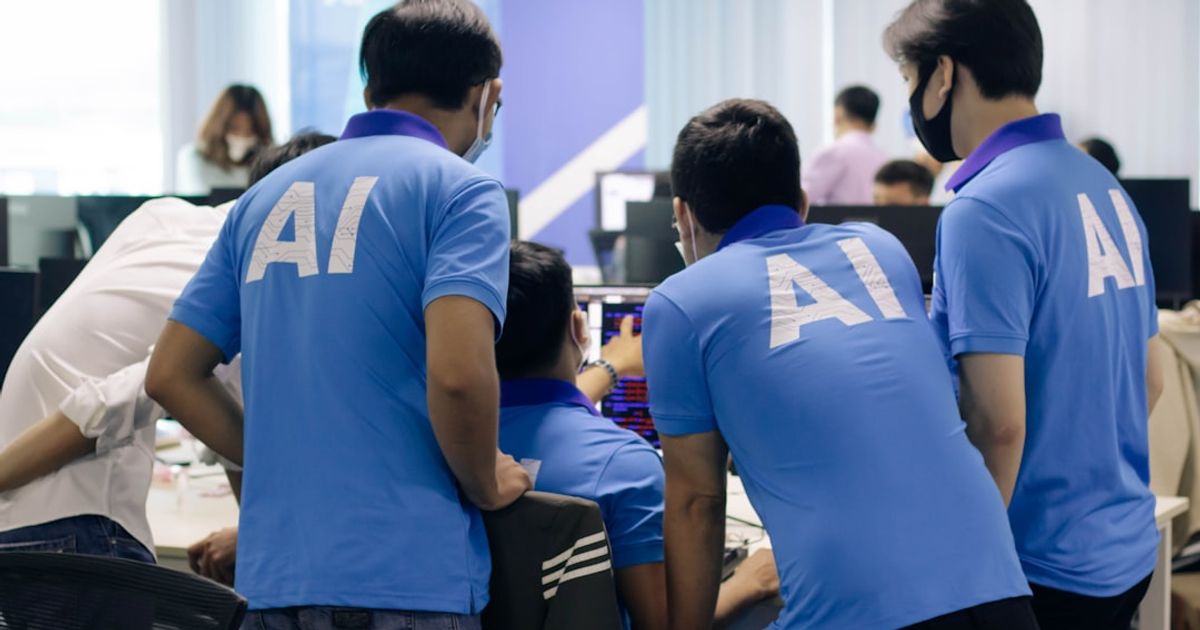
The landscape of software development has undergone a seismic shift in 2026. What started as AI-assisted coding tools has evolved into something far more sophisticated: true AI-human hybrid teams where artificial intelligence agents work as equal partners alongside human developers. This transformation is not just changing how we write code—it's fundamentally reimagining how software companies operate, scale, and compete.
The New Team Architecture
Traditional development teams consisting of 5-8 human developers are now being restructured around hybrid models featuring 3-4 humans working alongside 2-3 specialized AI agents. These AI team members aren't just advanced autocomplete tools—they're autonomous agents capable of:
• Code Generation and Review: Writing complete modules, conducting thorough code reviews, and identifying optimization opportunities
• Testing and Quality Assurance: Automatically generating comprehensive test suites and performing continuous security audits
• Project Coordination: Managing sprint planning, tracking dependencies, and optimizing resource allocation
• Documentation and Knowledge Management: Maintaining up-to-date technical documentation and creating onboarding materials
The results speak volumes. Companies implementing hybrid teams report productivity increases of 250-300%, with some organizations like GitHub reporting that hybrid teams ship features 4x faster than traditional teams while maintaining higher code quality scores.
Technical Implementation: Building Your AI Development Partner
Implementing AI team members requires careful consideration of integration patterns. Here's how leading companies are structuring their AI agents:
class AITeamMember:
    def __init__(self, role, specializations, human_partners):
        self.role = role  # 'senior-dev', 'qa-engineer', 'devops'
        self.specializations = specializations
        self.human_partners = human_partners
        self.context_memory = TeamContext()

    async def collaborate_on_task(self, task, human_lead):
        # AI agent analyzes task context
        context = await self.analyze_task_context(task)

        # Generate solution with human oversight checkpoints
        solution = await self.generate_solution(
            task,
            context,
            human_oversight=True
        )

        # Request human validation at critical points
        if solution.complexity_score > 0.8:
            await self.request_human_review(solution, human_lead)

        return solution
The key is treating AI agents as team members with defined roles, responsibilities, and communication protocols rather than just tools.
Managing Hybrid Team Dynamics
The human element remains crucial, but the management approach must evolve. Successful hybrid teams follow these principles:
Clear Role Definition: Each AI agent has specific domains of responsibility, just like human team members. This prevents overlap and ensures accountability.
Transparent Decision Making: AI agents document their reasoning process, making it easy for humans to understand and validate their contributions.
Continuous Learning Loops: The most effective AI team members learn from each project, building institutional knowledge that benefits the entire organization.
Human Override Protocols: Critical decisions always have human checkpoints, ensuring AI contributions align with business objectives and ethical guidelines.
Companies report that the biggest challenge isn't technical integration—it's cultural adaptation. Teams that succeed treat AI agents as colleagues rather than tools, including them in stand-ups, assigning them specific story points, and even celebrating their contributions to successful releases.
Economic Impact and ROI Analysis
The financial implications are staggering. A mid-size software company with 50 developers can expect:
• Reduced Time-to-Market: Features that previously took 8-12 weeks now ship in 2-3 weeks
• Lower Bug Rates: AI-reviewed code shows 70% fewer production bugs
• Improved Developer Satisfaction: Human developers report higher job satisfaction when freed from routine tasks
• Scalability Without Linear Hiring: Companies can increase output by 200% while hiring only 20% more human talent
The initial investment in AI team members—typically $15,000-30,000 per AI agent per year—pays for itself within 3-4 months through increased output and reduced rework.
Future Implications and Strategic Considerations
As we move deeper into 2026, companies that haven't adopted hybrid teams risk being left behind. The competitive advantage is becoming so significant that traditional development approaches are starting to look obsolete.
However, this transformation raises important questions:
- 1.Skill Evolution: How do human developers stay relevant when AI handles routine coding tasks?
- 2.Quality Assurance: How do we maintain code quality when AI agents are both writing and reviewing code?
- 3.Intellectual Property: Who owns code written collaboratively by humans and AI?
The answers are still evolving, but one thing is clear: the future belongs to organizations that can effectively blend human creativity and strategic thinking with AI's speed and consistency. The companies thriving in this new landscape aren't replacing humans with AI—they're amplifying human potential through intelligent collaboration.
At Onedaysoft, we've been pioneering these hybrid approaches since early 2025, and the results continue to exceed expectations. The question isn't whether AI-human hybrid teams will become the standard—it's how quickly your organization can adapt to this new reality.