Emotion AI in UX: How Neural Interfaces Are Reshaping User Experience
# Emotion AI in UX: How Neural Interfaces Are Reshaping User Experience
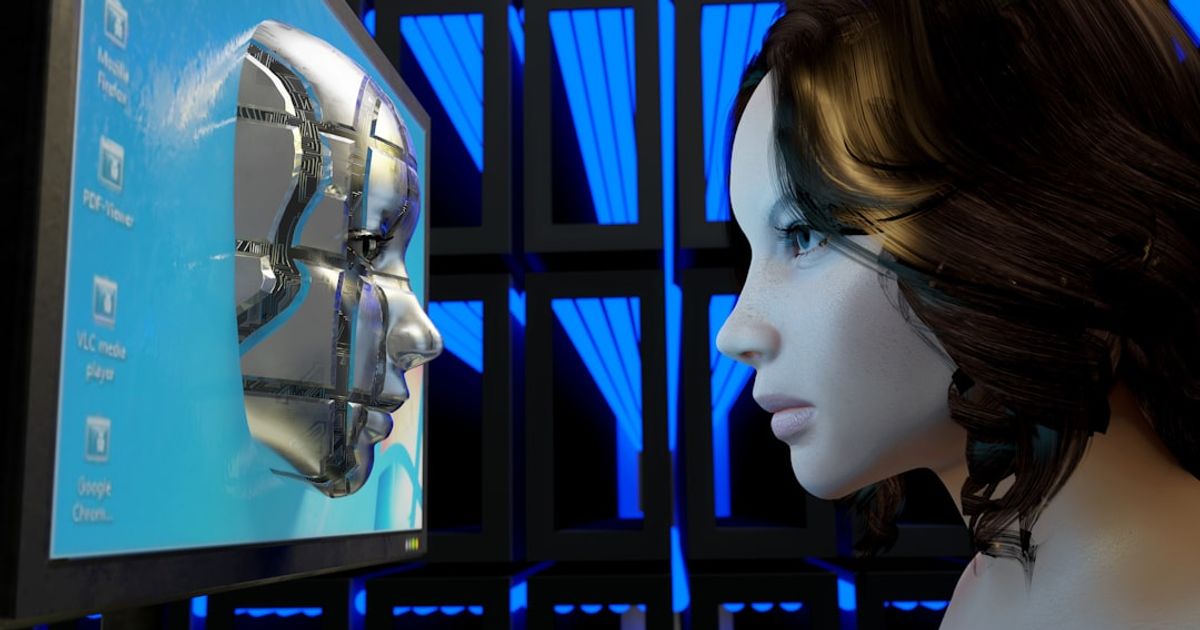
As we progress deeper into 2026, the convergence of artificial intelligence and neuroscience is fundamentally transforming how we approach user experience design. Emotion AI, powered by neural interfaces and advanced biometric sensors, is no longer science fiction—it's becoming the competitive edge that separates industry leaders from followers.
The Rise of Emotionally Intelligent Interfaces
Traditional UX design has long relied on behavioral analytics, A/B testing, and user surveys to understand user preferences. While these methods remain valuable, they only capture surface-level interactions. Emotion AI introduces a paradigm shift by accessing users' subconscious emotional responses in real-time.
Modern neural interfaces can now detect:
• Micro-expressions through advanced computer vision
• Heart rate variability via wearable integration
• Galvanic skin response indicating stress or excitement
• Eye movement patterns revealing cognitive load
• Voice tone analysis for emotional state detection
Companies like Apple, Google, and emerging AI startups are investing billions in this technology, recognizing its potential to create unprecedented user engagement and satisfaction.
Technical Implementation: Beyond Traditional Analytics
Implementing emotion AI requires a sophisticated tech stack that goes far beyond conventional web analytics. Here's a simplified example of how emotion detection can be integrated into a web application:
// Emotion AI Integration Example
class EmotionAwareInterface {
  constructor() {
    this.emotionAPI = new EmotionDetectionAPI();
    this.adaptiveUI = new AdaptiveUIController();
  }

  async analyzeUserEmotion() {
    const emotionalState = await this.emotionAPI.getCurrentEmotion({
      videoStream: this.webcam.stream,
      biometricData: this.wearableDevice.data,
      interactionPatterns: this.userBehavior.patterns
    });

    this.adaptiveUI.adjustInterface(emotionalState);
  }
}
The technical architecture typically involves:
- 1.Edge Computing: Processing emotional data locally for privacy and speed
- 2.Machine Learning Models: Custom-trained neural networks for emotion recognition
- 3.Real-time Adaptation: Dynamic UI changes based on emotional feedback
- 4.Privacy-First Design: Encrypted emotional data with user consent protocols
Business Impact: The ROI of Emotional Intelligence
Early adopters are already seeing remarkable results from emotion AI implementation:
• Netflix reports 34% improvement in content engagement through emotion-based recommendations
• Spotify increased user session length by 28% using mood-adaptive playlists
• E-commerce platforms show 42% reduction in cart abandonment with stress-detection interventions
• Gaming companies achieve 55% higher player retention through emotional difficulty adjustment
For businesses, the value proposition is clear:
- Reduced Support Costs: Proactive frustration detection prevents user issues
- Increased Conversion Rates: Emotion-optimized interfaces drive better outcomes
- Enhanced Brand Loyalty: Emotionally responsive products create deeper connections
- Competitive Differentiation: Early adoption creates significant market advantages
Privacy and Ethical Considerations
With great power comes great responsibility. Emotion AI raises critical questions about user privacy and data ethics that companies must address:
Privacy Challenges:
• Emotional data is highly sensitive personal information
• Users need transparent control over their emotional profiles
• Cross-platform emotional tracking raises surveillance concerns
• Long-term emotional data storage presents security risks
Ethical Guidelines:
- 1.Explicit Consent: Users must actively opt-in to emotional monitoring
- 2.Data Minimization: Collect only necessary emotional indicators
- 3.Transparency: Clear communication about how emotional data is used
- 4.User Control: Easy opt-out and data deletion options
At Onedaysoft, we advocate for a privacy-first approach to emotion AI, ensuring that technological advancement doesn't compromise user trust.
The Future: Preparing for Emotional Interfaces
As neural interfaces become more accessible and affordable, emotion AI will transition from luxury feature to user expectation. Companies that start building emotional intelligence into their products now will have significant advantages.
Immediate Action Steps:
- 1.Audit Current Analytics: Identify emotional blind spots in existing user data
- 2.Pilot Small-Scale Tests: Experiment with basic emotion detection features
- 3.Develop Privacy Frameworks: Establish ethical guidelines before full implementation
- 4.Train Design Teams: Educate UX professionals on emotional design principles
- 5.Partner with AI Specialists: Collaborate with companies experienced in emotion AI
The convergence of AI, neuroscience, and UX design represents one of the most significant technological shifts since the advent of mobile computing. Companies that embrace emotion AI thoughtfully and ethically will create the next generation of user experiences—ones that don't just respond to what users do, but understand how they feel.
As we continue navigating this emotional revolution in technology, the question isn't whether emotion AI will reshape UX design, but how quickly your organization will adapt to this new reality.