Modern System Architecture: Building Scalable Solutions with Best Practices
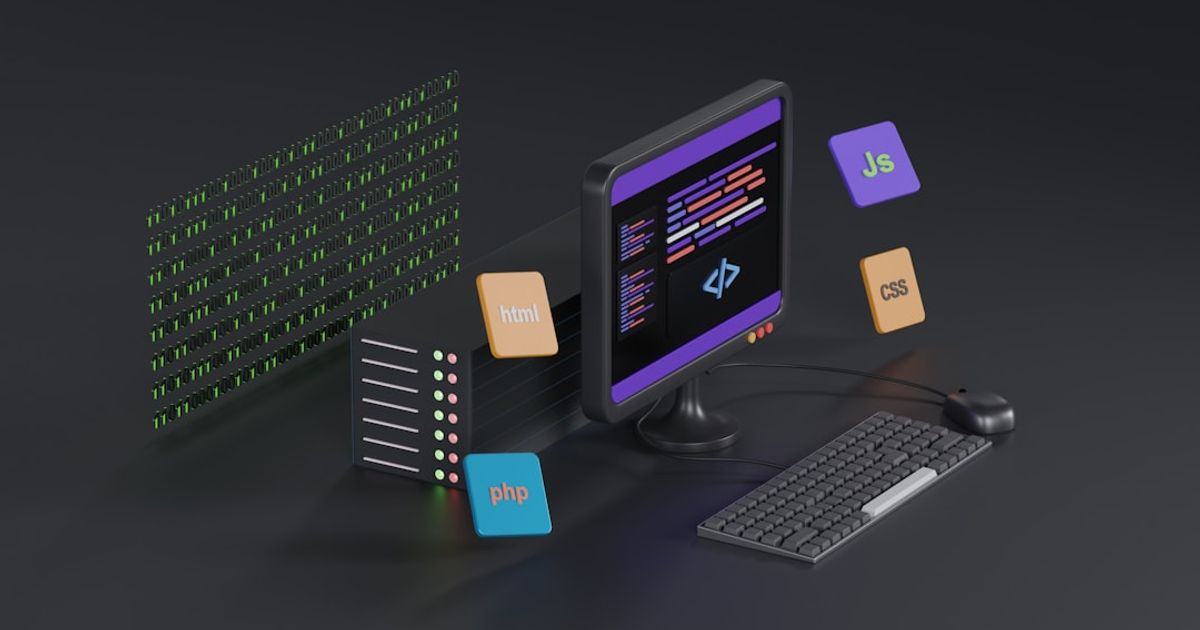
Building modern applications requires careful planning and a well-thought-out system architecture. At Onedaysoft, we've learned that the foundation of any successful project lies in establishing a robust architectural framework before writing a single line of code. Let's explore how to structure modern systems effectively across all layers.
Frontend Architecture: User Experience First
Modern frontend development has evolved beyond simple HTML and CSS. Today's applications demand sophisticated architectures that can handle complex state management, real-time updates, and seamless user experiences.
Key Frontend Technologies:
- React/Next.js: For component-based architecture with server-side rendering
- TypeScript: Ensures type safety and better developer experience
- State Management: Redux Toolkit or Zustand for predictable state updates
- Styling: Tailwind CSS or Styled Components for maintainable designs
Best Practices:
• Implement micro-frontend architecture for large applications
• Use lazy loading and code splitting for optimal performance
• Establish a design system for consistency across teams
• Integrate Progressive Web App (PWA) features for mobile experience
Here's a sample TypeScript interface structure:
interface ApiResponse<T> {
  data: T;
  status: 'success' | 'error';
  message?: string;
  timestamp: Date;
}

interface UserData {
  id: string;
  email: string;
  profile: UserProfile;
}
Backend Architecture: Scalable and Maintainable
The backend serves as the brain of your application, handling business logic, data processing, and API management. Modern backend architecture emphasizes scalability, security, and maintainability.
Core Backend Components:
- 1.API Layer: RESTful APIs or GraphQL for data communication
- 2.Business Logic Layer: Core application functionality
- 3.Data Access Layer: Database interactions and data validation
- 4.Authentication & Authorization: JWT tokens, OAuth, or custom solutions
Technology Stack Recommendations:
• Node.js with Express/Fastify: For JavaScript/TypeScript consistency
• Python with FastAPI: For AI/ML integration and rapid development
• Go: For high-performance microservices
• Docker: For containerization and deployment consistency
Microservices vs Monolith:
- Start with a well-structured monolith for smaller teams
- Migrate to microservices as the system grows and team scales
- Use API gateways for service communication and load balancing
Database Design: Data Strategy for Growth
Database architecture decisions impact long-term scalability and performance. Modern applications often require a polyglot persistence approach, using different databases for different needs.
Database Selection Criteria:
Relational Databases (PostgreSQL/MySQL):
• ACID compliance for critical business data
• Complex relationships and transactions
• Mature ecosystem and tooling
NoSQL Databases:
• MongoDB: Document-based for flexible schemas
• Redis: In-memory caching and session storage
• Elasticsearch: Full-text search and analytics
Data Architecture Patterns:
- 1.CQRS (Command Query Responsibility Segregation): Separate read and write operations
- 2.Event Sourcing: Store events rather than current state
- 3.Database per Service: For microservices architecture
Sample database schema design:
CREATE TABLE users (
  id UUID PRIMARY KEY DEFAULT gen_random_uuid(),
  email VARCHAR(255) UNIQUE NOT NULL,
  created_at TIMESTAMP WITH TIME ZONE DEFAULT NOW(),
  updated_at TIMESTAMP WITH TIME ZONE DEFAULT NOW()
);

CREATE INDEX idx_users_email ON users(email);
CREATE INDEX idx_users_created_at ON users(created_at);
Infrastructure: Cloud-Native and DevOps
Modern infrastructure leverages cloud services and DevOps practices to ensure reliability, scalability, and efficient deployment processes.
Infrastructure Components:
Cloud Platforms:
• AWS: Comprehensive services ecosystem
• Google Cloud: Strong AI/ML and Kubernetes support
• Azure: Enterprise integration and hybrid solutions
Container Orchestration:
• Kubernetes: Industry standard for container orchestration
• Docker Swarm: Simpler alternative for smaller deployments
• Serverless: AWS Lambda, Google Cloud Functions for event-driven architecture
CI/CD Pipeline:
- 1.Version Control: Git with branching strategies (GitFlow/GitHub Flow)
- 2.Automated Testing: Unit, integration, and end-to-end tests
- 3.Build Automation: GitHub Actions, GitLab CI, or Jenkins
- 4.Deployment Strategies: Blue-green, canary, or rolling updates
Monitoring and Observability:
• Application Monitoring: New Relic, DataDog, or Prometheus
• Log Management: ELK Stack (Elasticsearch, Logstash, Kibana)
• Error Tracking: Sentry for real-time error monitoring
• Performance Monitoring: Application Performance Monitoring (APM) tools
Security and Additional Considerations
Security should be integrated into every layer of your system architecture, not added as an afterthought.
Security Best Practices:
• Implement authentication and authorization at all levels
• Use HTTPS everywhere with proper SSL/TLS certificates
• Regular security audits and penetration testing
• Data encryption at rest and in transit
• API rate limiting and DDoS protection
Performance Optimization:
• Content Delivery Networks (CDN) for static assets
• Database query optimization and indexing
• Caching strategies at multiple levels
• Load balancing and auto-scaling
Documentation and Team Collaboration:
• API documentation with OpenAPI/Swagger
• Architecture Decision Records (ADRs)
• Code review processes and coding standards
• Knowledge sharing sessions and technical documentation
Building modern systems requires balancing current needs with future growth. At Onedaysoft, we recommend starting with a solid foundation that can evolve as your requirements change. Remember that the best architecture is one that serves your business goals while maintaining developer productivity and system reliability.
The key to success lies in choosing the right technologies for your specific use case, implementing proper monitoring from day one, and maintaining flexibility to adapt as your system grows. By following these architectural principles, you'll be well-positioned to build scalable, maintainable systems that can support your business for years to come.